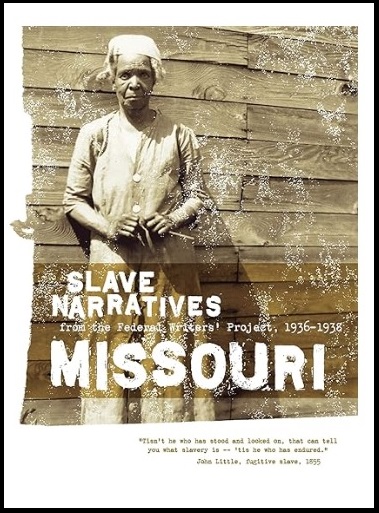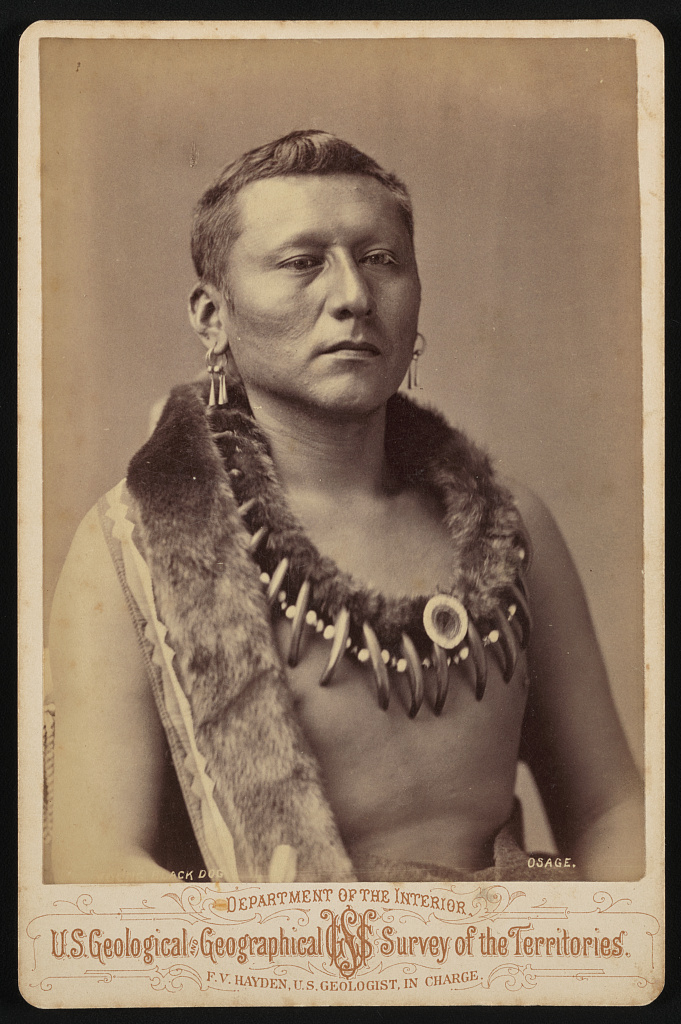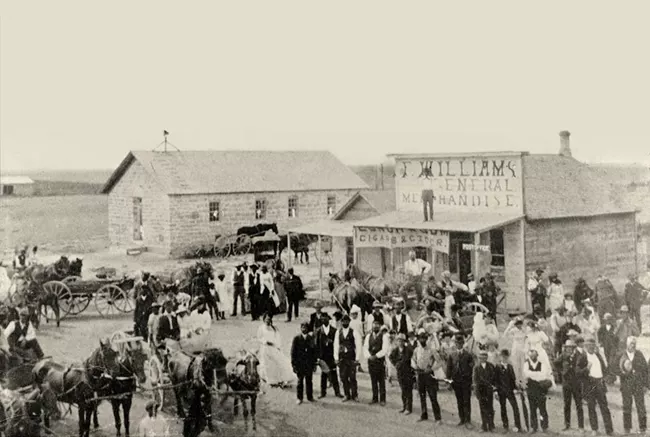
Life for black Southerners during Reconstruction was still oppressive. Starting in 1865, local and state laws known as “Black Codes” were established to repress African Americans’ newfound rights that were implemented by the government. Despite the federal government’s presence in major Southern cities, it was difficult to enforce Reconstruction laws and support the black population. The “Black Codes” prohibited African Americans from owning certain land, holding jobs outside of farming or domestic service, and virtually forced them to remain in conditions similar to slavery. Many African Americans continued to work for their former enslavers. Others entered into sharecropping, where they farmed rented land; however, sharecropping made it easy for landowners to exploit black labor by increasing rent and debts, effectively tying sharecroppers to the land they worked.
Federal troops were sent to the South to enforce legal protections for black residents, but the troops were withdrawn when Reconstruction ended in 1877. Southern governments became openly and highly oppressive once more, spurring African Americans to migrate out of the South. The first mass migration from the South after the Civil War was known as the Exodus of 1879. It led over 40,000 African Americans, known as Exodusters, to migrate from the Mississippi River region to the western states of Kansas, Oklahoma, and Colorado.
Taking inspiration from the biblical Book of Exodus documenting the Israelites’ exodus from slavery in Egypt, Kansas was viewed as a “promise land” for African Americans living under oppressive local governments. Alongside Kansas, Missouri also offered more freedom than Southern states since it hadn’t enacted widespread discriminatory laws like the “Black Codes.” Many Exodusters ended up cutting their western migration short and settling in Missouri; more than 16,000 settled in St. Louis.
Kansas City became a jumping-off point for migrants entering Kansas. Countless African Americans arrived in Kansas via the Missouri River, which led them to Wyandotte County. In the span of two weeks, Wyandotte County recorded that over 1,000 Exodusters arrived seeking a new life. However, they discovered that Kansas didn’t offer much economic opportunity, and the mass migration came to an end by 1880.
One of the first public figures to advocate for a black exodus was Benjamin “Pap” Singleton. He was born into slavery but eventually escaped. After the Civil War, Singleton became convinced that African Americans could not remain in the South if they wanted equality. Beginning in 1869, he worked for the next decade to provide African Americans with the means to reach economic independence from white society. Singleton led the first black migration to Kansas in 1877 and established the first permanent settlement for black migrants the following year. Though not directly involved in the Exoduster Movement, Singleton set the stage for African Americans to migrate west and testified before the U.S. Senate on behalf of Exodusters. He continued to invest in black economic development in Kansas before moving to Kansas City, Missouri in 1885.