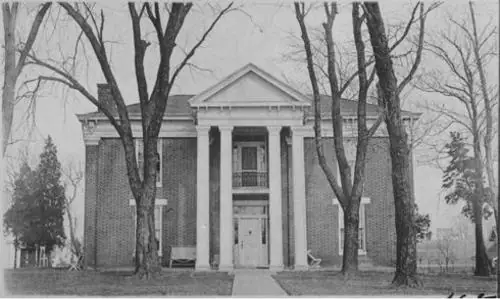
The Wornall House
The Wornall House is one of the few surviving houses in Kansas City built prior to the Civil War and is also a rare example of a mid-nineteenth century Greek Revival-style residence in the city. Built in 1858 as the focal point of the Wornalls’ 500-acre farmstead, the house was purposefully built overlooking what was then known as the “Road to New Santa Fe.” The prominence of the structure eventually gave the road its modern name: Wornall Road. The house is now listed on the National Register of Historic Places.
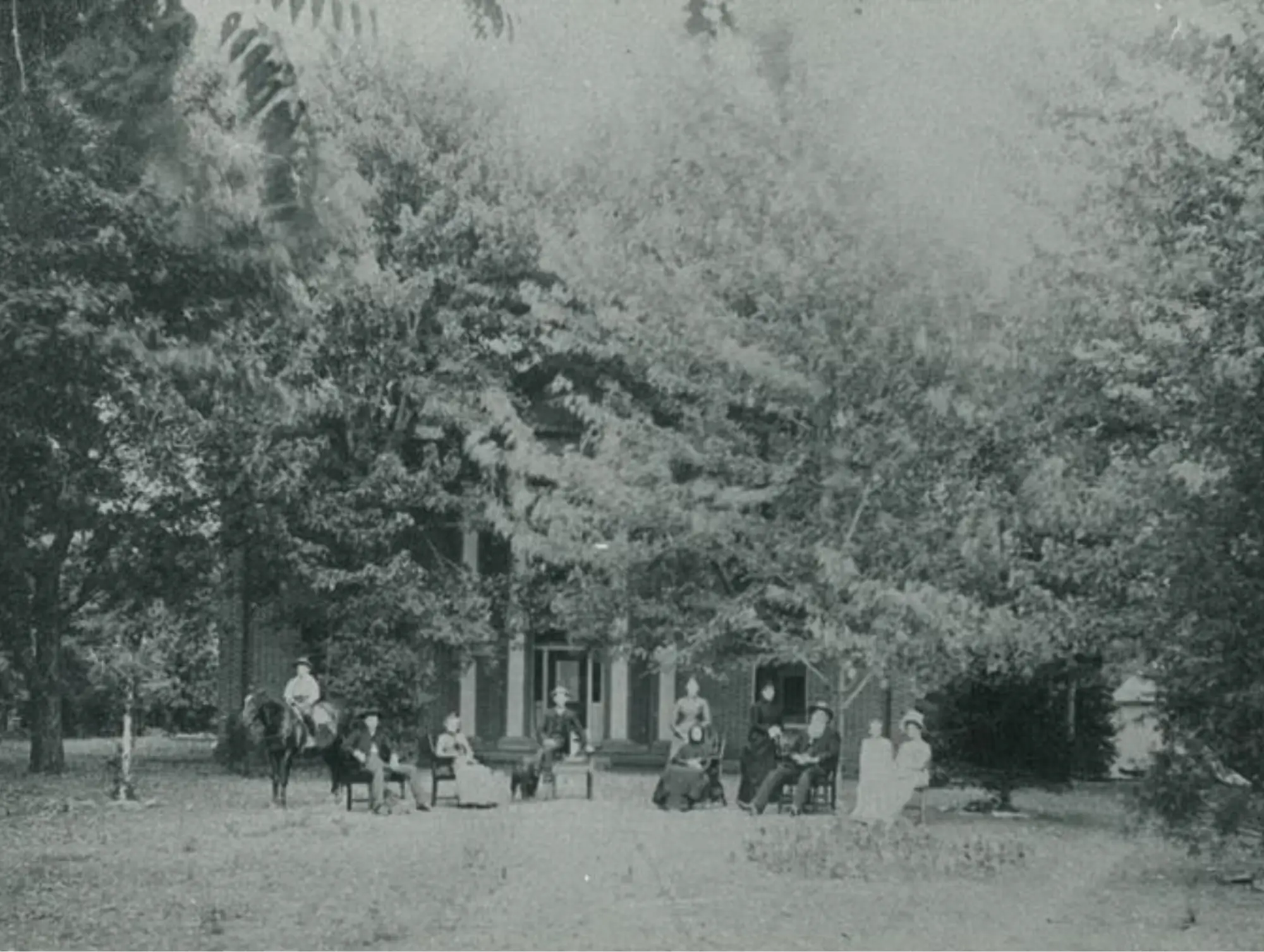
Building the Wornall House
The Wornall family arrived in Missouri in 1843 and purchased 500 acres of land. In modern terms, the land stretched north-south from 59th to 67th Street and east-west from Main Street to State Line Road. Originally, the property came with a four-room log cabin located approximately 200 feet north of the current Wornall House.
The home’s architect is unknown, and it may not have had one. Kansas City had few formally trained architects, and wealthy men would often serve as the contractor of their own home. The brick was fired onsite, 50 feet east of the house. Mortar was made of sand hauled from the Missouri River. Limestone for the foundation, fireplaces, and door and window lintels was quarried nearby. Other materials arrived from St. Louis to complete the home.
The Wornall family left behind much documentation about the hired white builders who oversaw construction and carpentry at the Wornall House. There is no mention in the records of who performed the physical labor of construction. It is likely that the majority of the work was done by enslaved men. John may have hired enslaved bricklayers to build his home. Many enslaved men were trained in highly valuable trades such as bricklaying and blacksmithing. These individuals were then “hired out” by their owners for fixed periods of time or for specific projects. Missouri newspapers of the time show that bricklaying was a common skill advertised by slave owners. All income from “hiring out” went to the owner, and enslaved people did not see financial gain from their work.
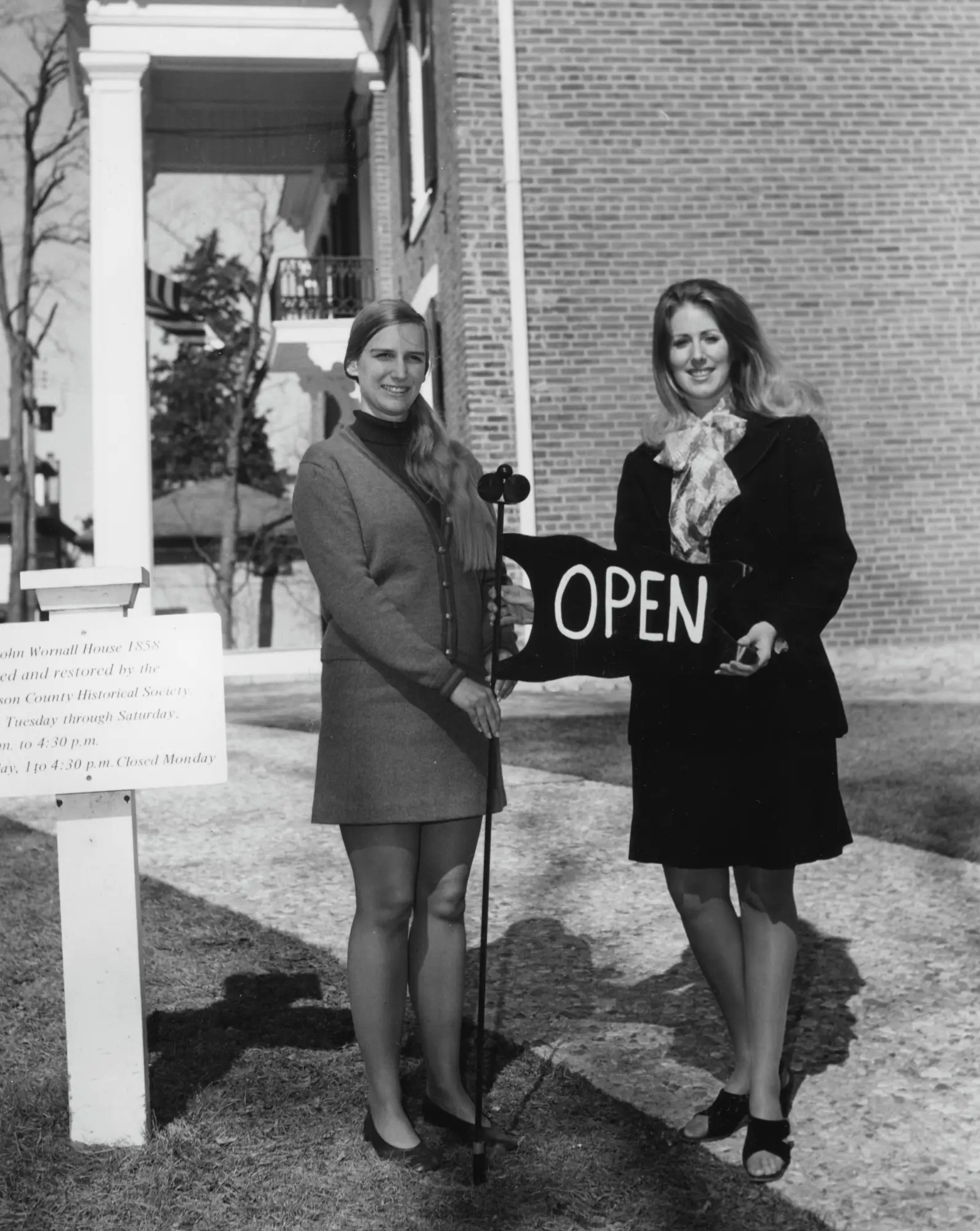
Renovations
Structurally, the Wornall House is largely the same as it was in 1858. The home did undergo two major structural renovations. The first was in 1910 when John’s widow, Roma, modernized the home by adding utilities, large porches, a garage, and a street-to-door sidewalk. The second occurred in 1967 after the house was purchased by the Jackson County Historical Society and renovated in anticipation of the museum becoming a museum. The renovations restored the home to its modern design, stripping out or hiding some of the later additions. The restoration took eight years to complete, and the house was officially opened to the public in 1972, becoming Kansas City’s first house museum.
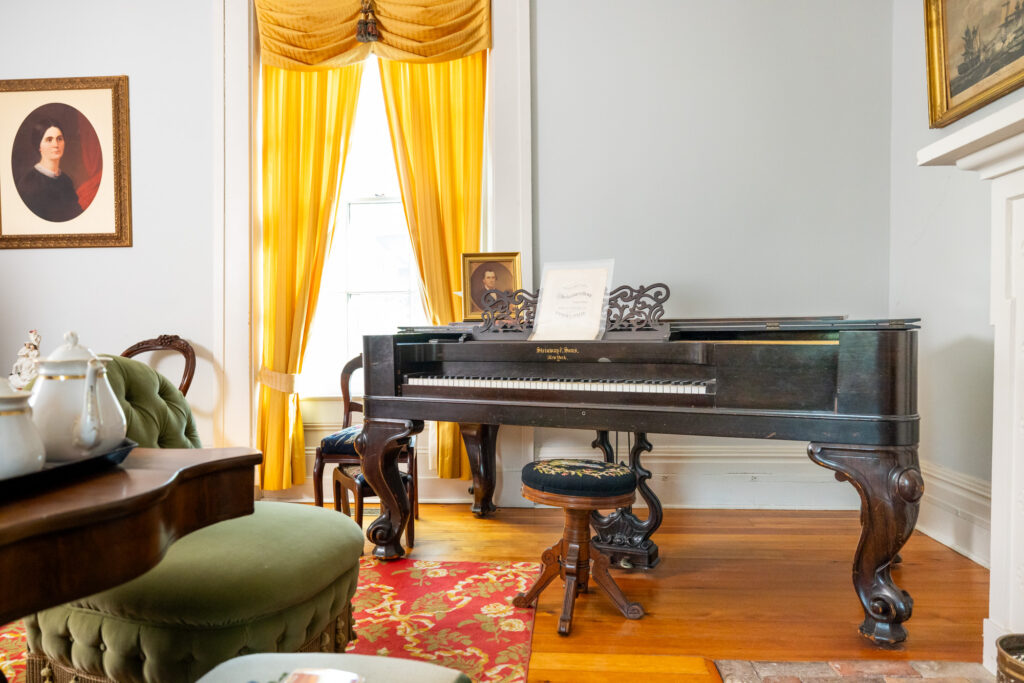
More History to Explore>>
Support These Stories
Help Wornall/Majors make history accessible and preserve two Kansas City landmarks.