The Wornalls
and the Civil War
1854-1860
Border Wars/
Bleeding Kansas
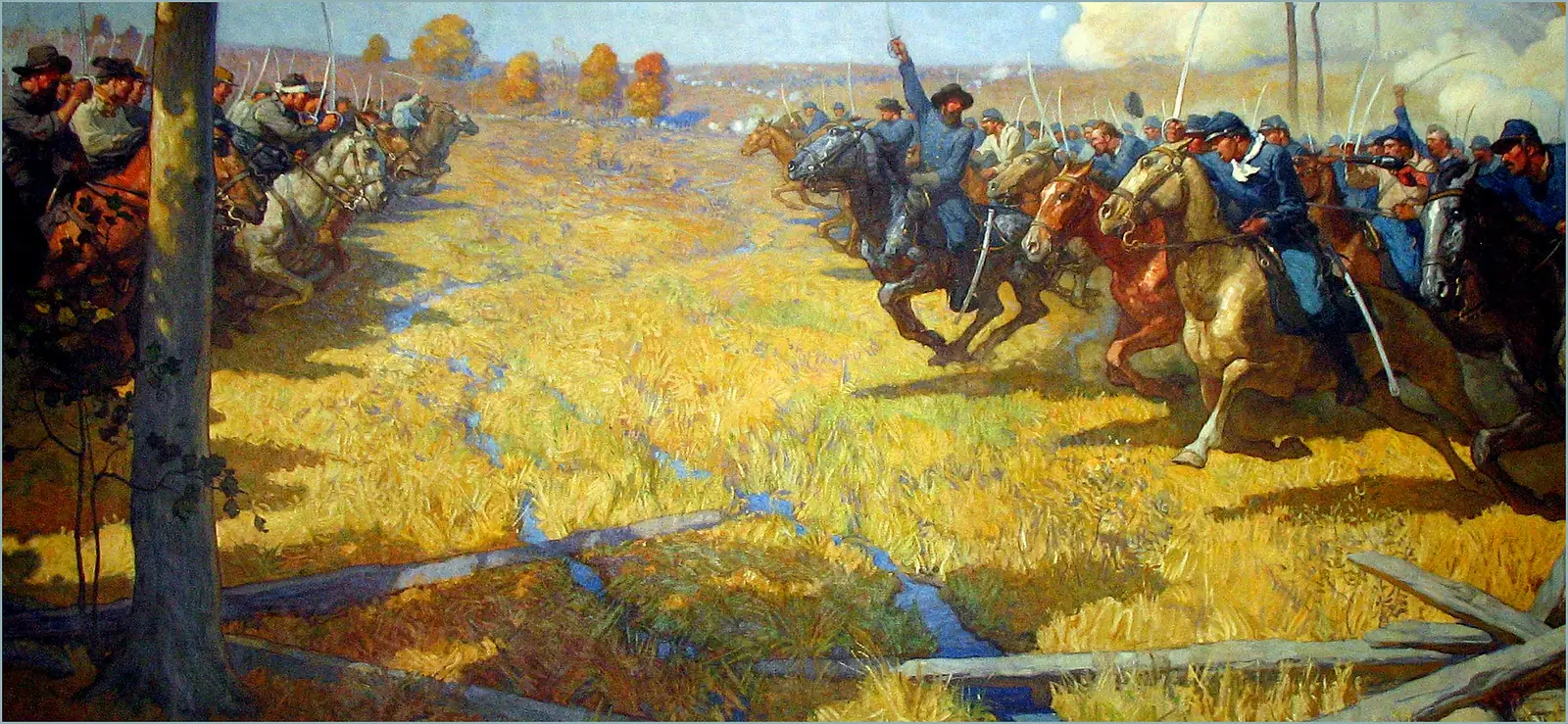
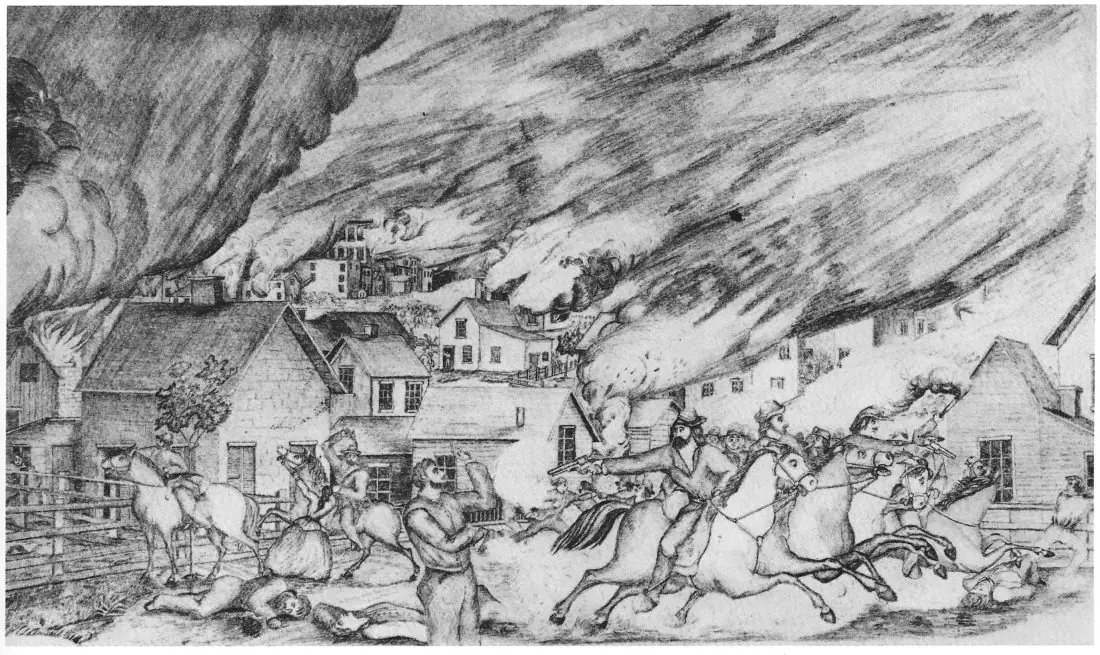
Following the Kansas-Nebraska Act, immigrants supporting both pro-slavery and anti-slavery factions streamed into the Kansas Territory, intending to influence the vote. The pro-slavery men were often called “Border Ruffians,” while the anti-slavery men were called “Free Staters,” “Free Soilers,” or “Red Legs.” Violence in the Kansas Territory raged in the lead-up to the Civil War as tensions between the factions mounted. Notable events during this period included the Sacking of Lawrence, the Pottawatomie Massacre, the Battle of Osawatomie, and the Marais de Cygnes Massacre.
The Wornall family remained relatively untouched by the violence, but would have been keenly aware of it. During the Border War period, John Wornall most likely desired for Kansas to become a slave state like Missouri. In 1860, he joined the Westport Minute Men, a “vigilance committee” of pro-slavery men that vowed to protect themselves from abolitionist violence.
Image: Quantrill’s Raid, Sherman Enderton, 1863.
April 12, 1861
The Civil War Begins
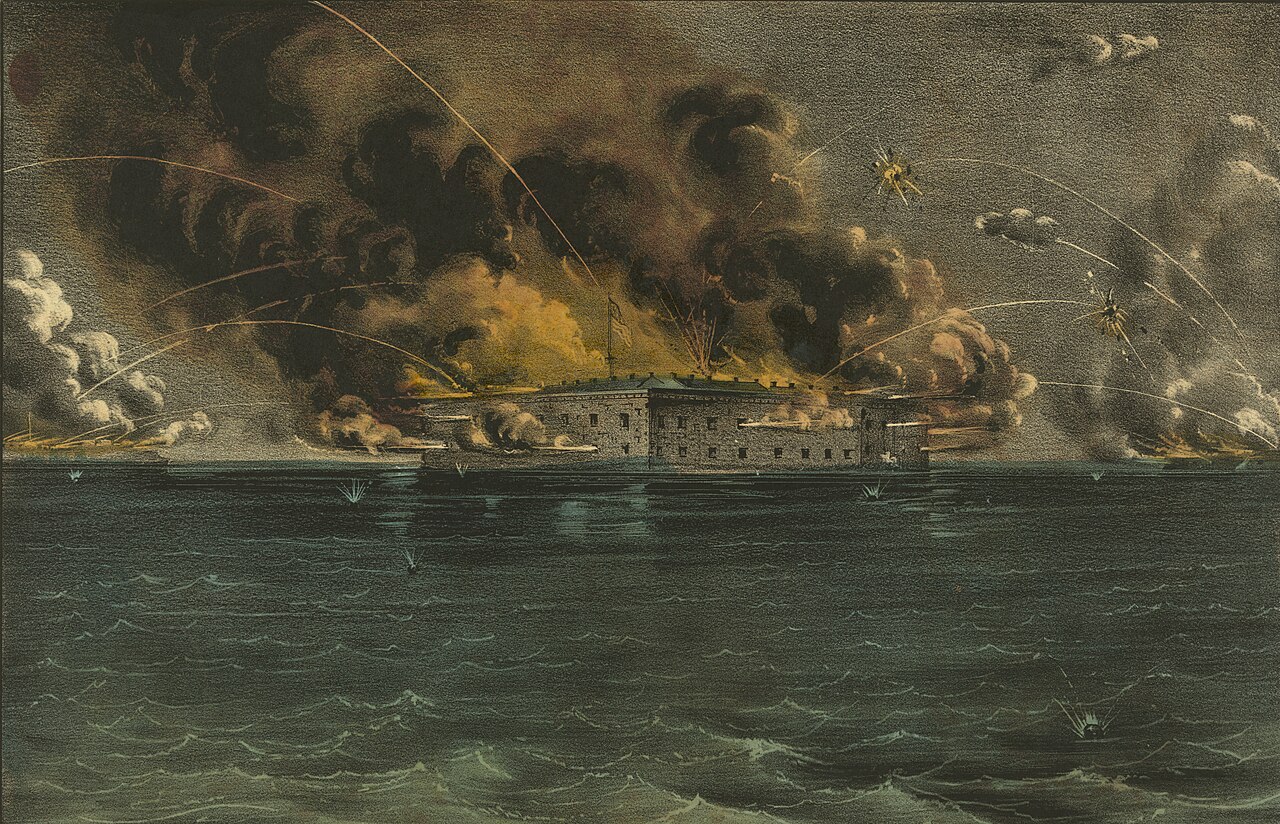
The Civil War erupted in 1861 when successionist forces attacked Fort Sumter in South Carolina. For Missourians and Kansans, this was simply a continuation of the violence they had already experienced.
Throughout the Civil War, John claimed neutrality. However, John was an enslaver from the upper South. His friends and family mostly had pro-Confederate views, or in some cases, actively fought for the Confederacy. Regardless, John faced violence during the war at the hands of both bushwhackers (Confederate-aligned guerilla fighters) and Unionists.
Image: Bombardment of Fort Sumter, Currier & Ives, Library of Congress ppmsca.19520.

August 1863
Order No. 11
In August 1863, the Union Army attempted to establish order in the tumultuous Missouri-Kansas border region by issuing Order No. 11. This order gave residents of rural Jackson, Cass, Bates, and Vernon Counties, regardless of loyalty, 15 days to vacate their homes. The intention was to cut off support for bushwhacker violence. The order resulted in what was known as the “Burnt District,” an area where families were displaced, homes burned to the ground, and property looted. The order was rescinded in January 1864.
The Wornall family purchased a home in downtown Kansas City to escape the violence, but returned to the Wornall House after the order was removed. The house had been looted, but was physically unharmed.
Image: Martial Law/Order No. 11, George Caleb Bingham, 1868.
October 23, 1864
The Battle of Westport
In September 1864, Confederate General Sterling Price led his Army of Missouri into Missouri with the hope of capturing the state for the South, recruiting men, and swaying public loyalty to the Confederate cause. Realizing that many of his targets were too heavily fortified, he moved west through the state, arriving in the Kansas City region in late October.
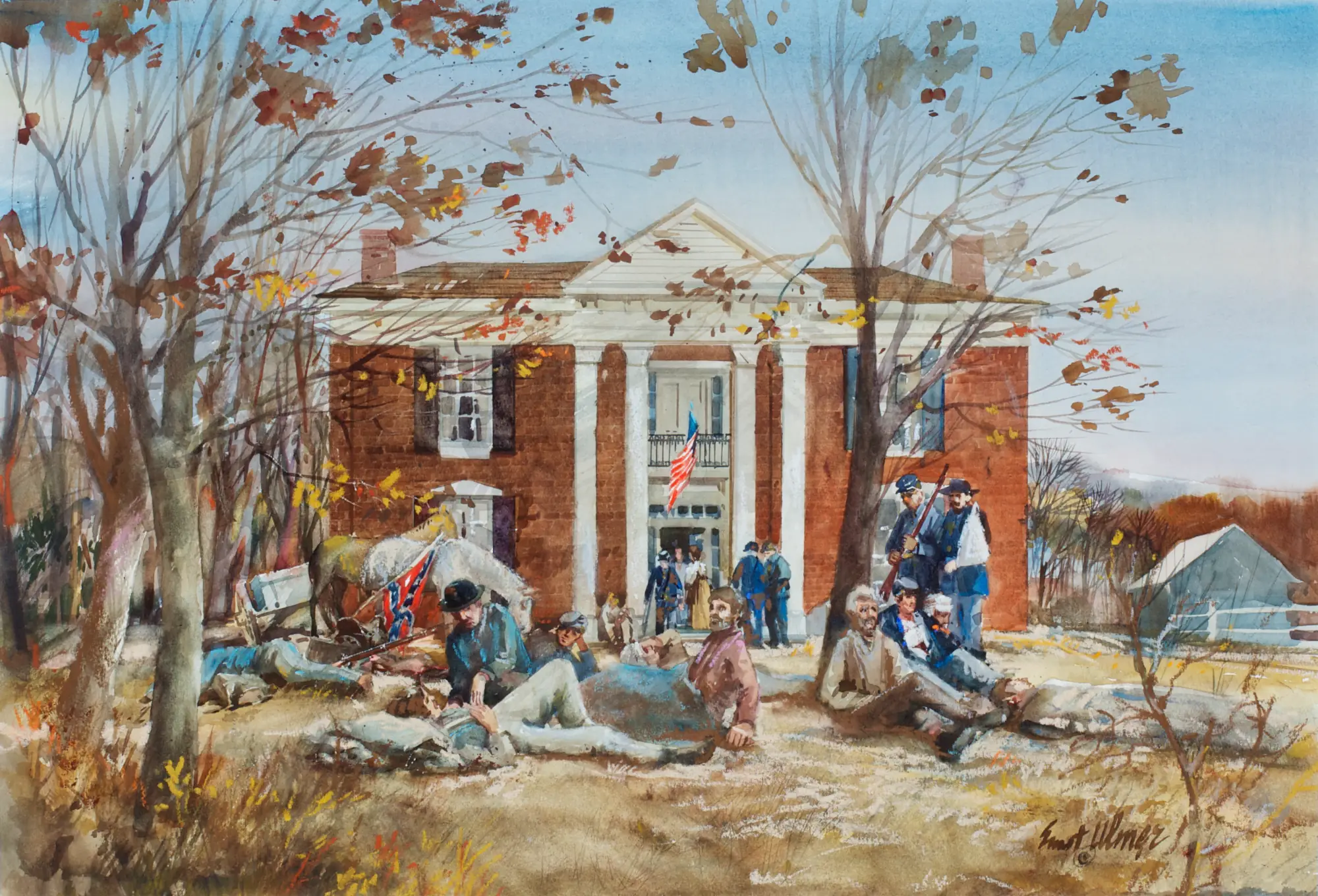
This culminated in the Battle of Westport on October 23. Some of the heaviest fighting took place immediately surrounding the Wornall House, particularly in modern-day Loose Park and along Wornall Road. In the morning of the 23rd, the Wornall House was commandeered as a Confederate field hospital. The house was looted, furnishings smashed, and the dead and dying lay wall-to-wall in nearly every room. After the Confederates retreated later in the day, they evacuated most of their patients and left the most wounded behind. Union soldiers swept in and used the home as a hospital for their injured.
Image: The Battle of Westport, Ernst Ulmer.
1865
Fleeing the Wornall House
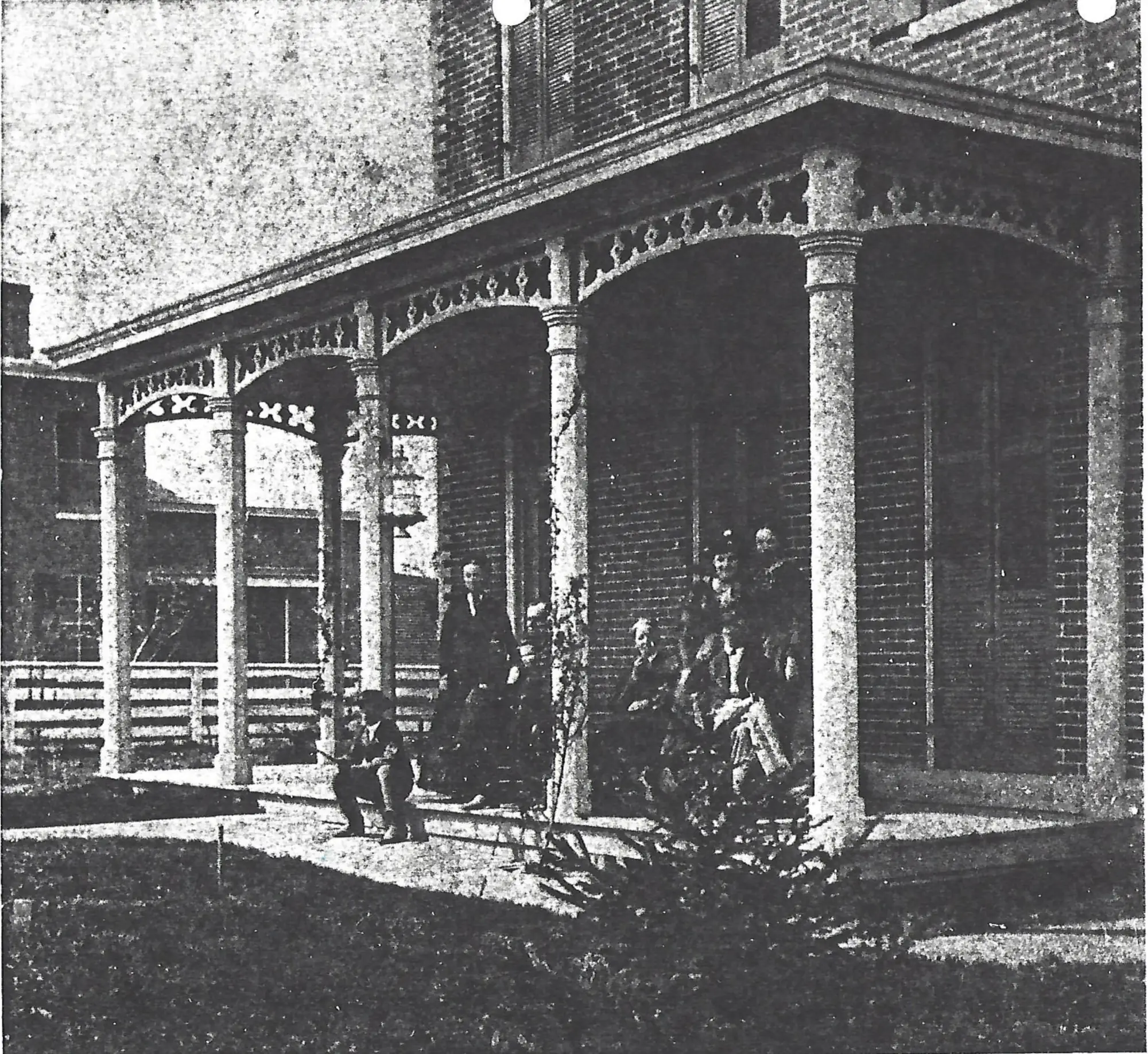
On January 5, 1865, the Wornall family attended the funeral of Eliza’s father, Thomas Johnson. Johnson had been killed by bushwhackers, possibly because of his perceived betrayal of the Southern cause. Johnson was an enslaver and had been previously politically supportive of the pro-slavery cause before eventually declaring his support of the Union in the early years of the Civil War. On their way back from Johnson’s funeral, the Wornall family received a letter warning them not to return to the Wornall House under threat of death.
The family fled to the safety of their downtown Kansas City home. Although the war ended in April of that year, they did not return to the Wornall House until 1874.
Image: The Wornalls’ downtown home at 910 Locust.
Support These Stories
Help Wornall/Majors make history accessible and preserve two Kansas City landmarks.