The Majors House
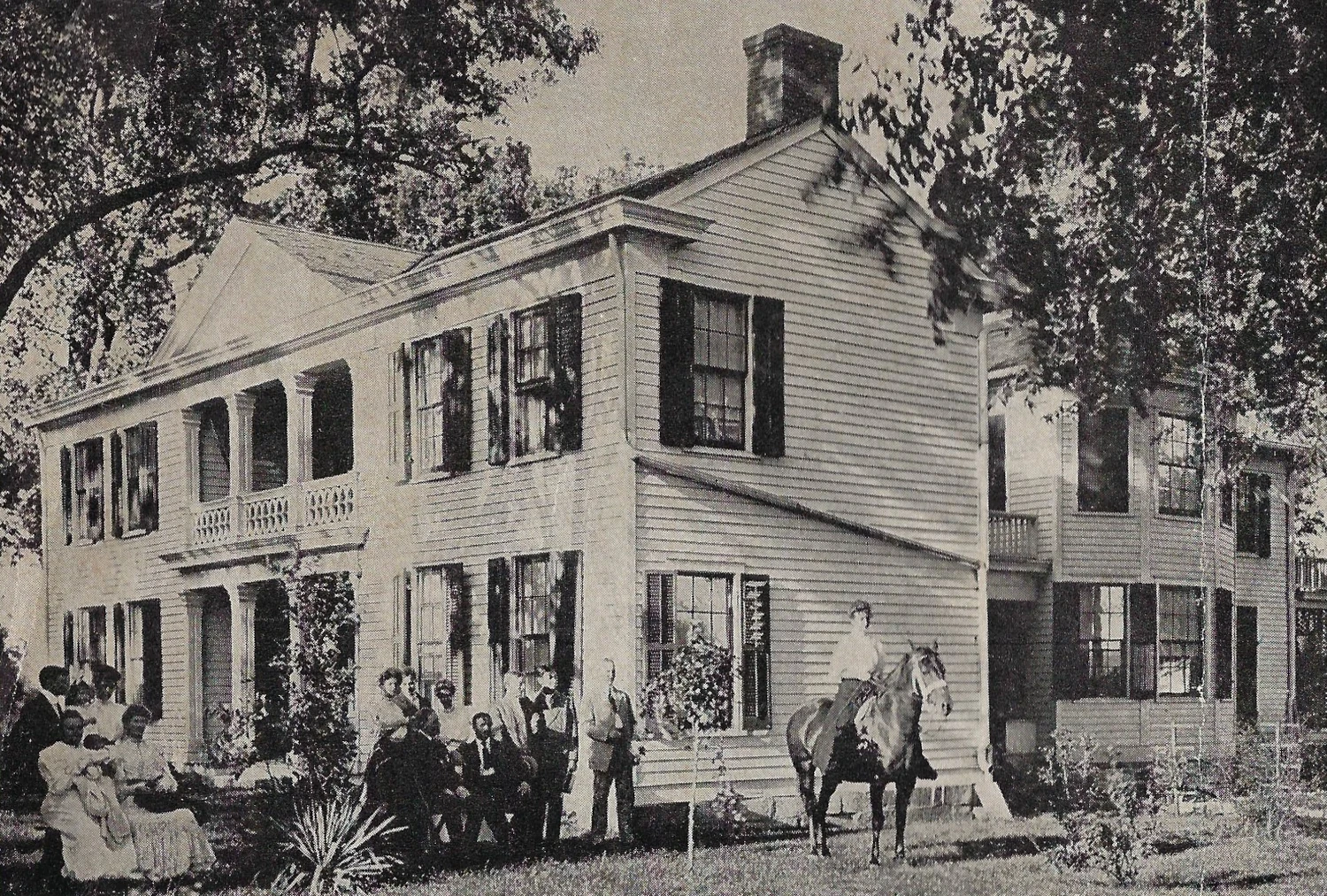
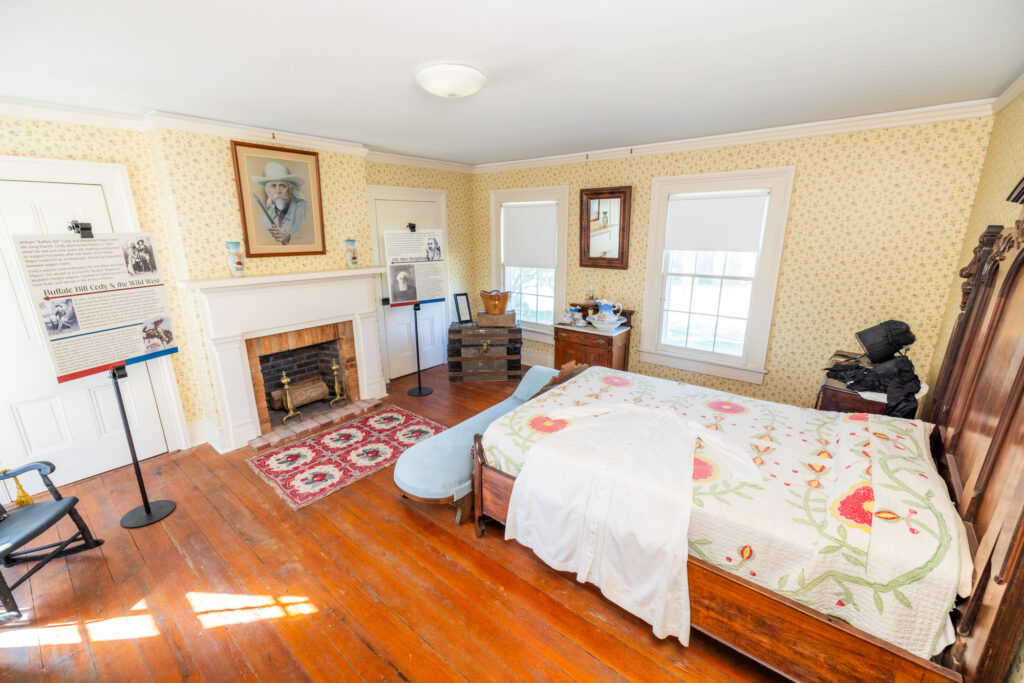
The Majors House, listed on the National Register of Historic Places, was built in 1856 by Alexander Majors. The house served as both family home to Majors and his daughter and son-in-law, and headquarters of Majors’ shipping company, Russell, Majors & Waddell. The house was built on the state line of Missouri and Kansas, symbolically looking westward over the Kansas Territory.
Building the Majors House
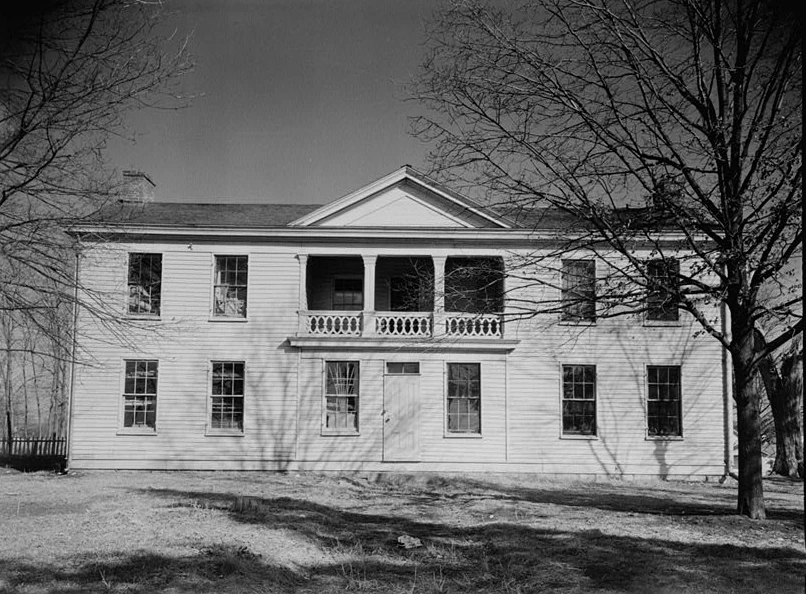
In August of 1855, Alexander Majors and his business partners William Russell and William Waddell purchased 176 acres of land spanning the Missouri-Kansas state line to use as pastureland for their freighting business. Five months later, Majors purchased his partners’ stakes in the land to build a house and to be closer to the cattle in the pasture. Over the next two years, Majors built the two-story, nine-room Greek Revival-style Majors House. The grounds also would have held a lean-to kitchen, a smokehouse with a below-ground icehouse, two barns, stables, and a simple blacksmith shop.
Documentary evidence of the construction process is almost non-existent, but the house was most likely built using enslaved labor. In 1850, records show that Majors enslaved seven people, including three adult men and three teenage boys, who would have been an obvious source of labor for construction to a man like Majors.
Changing Ownership
Majors moved to Nebraska City in 1858, leaving the home to his daughter Rebecca and son-in-law Samuel Poteet. The Poteets called the home “Peralto” – Spanish for “altitude” or “height.” In 1893, the Poteets moved to California and sold the property to their son William. It was sold again in 1900 to developer Charles E. Finlay, who subdivided the property and called the new neighborhood “Nel-Aro.”
In 1903, twelve and a half of those lots were sold to Emilie B. Hesse Ruhl, including the lot that contained the Majors House. Emilie and her husband, A. Louis, added a kitchen, bathroom, and larger bedrooms to the house, which was connected to electricity for the first time. The family home was donated to School District No. 57 in 1925 and turned into the A. Louis Ruhl School and Community House. However, the school quickly outgrew the space, and by the late 1920s, the house was vacant and deteriorating.
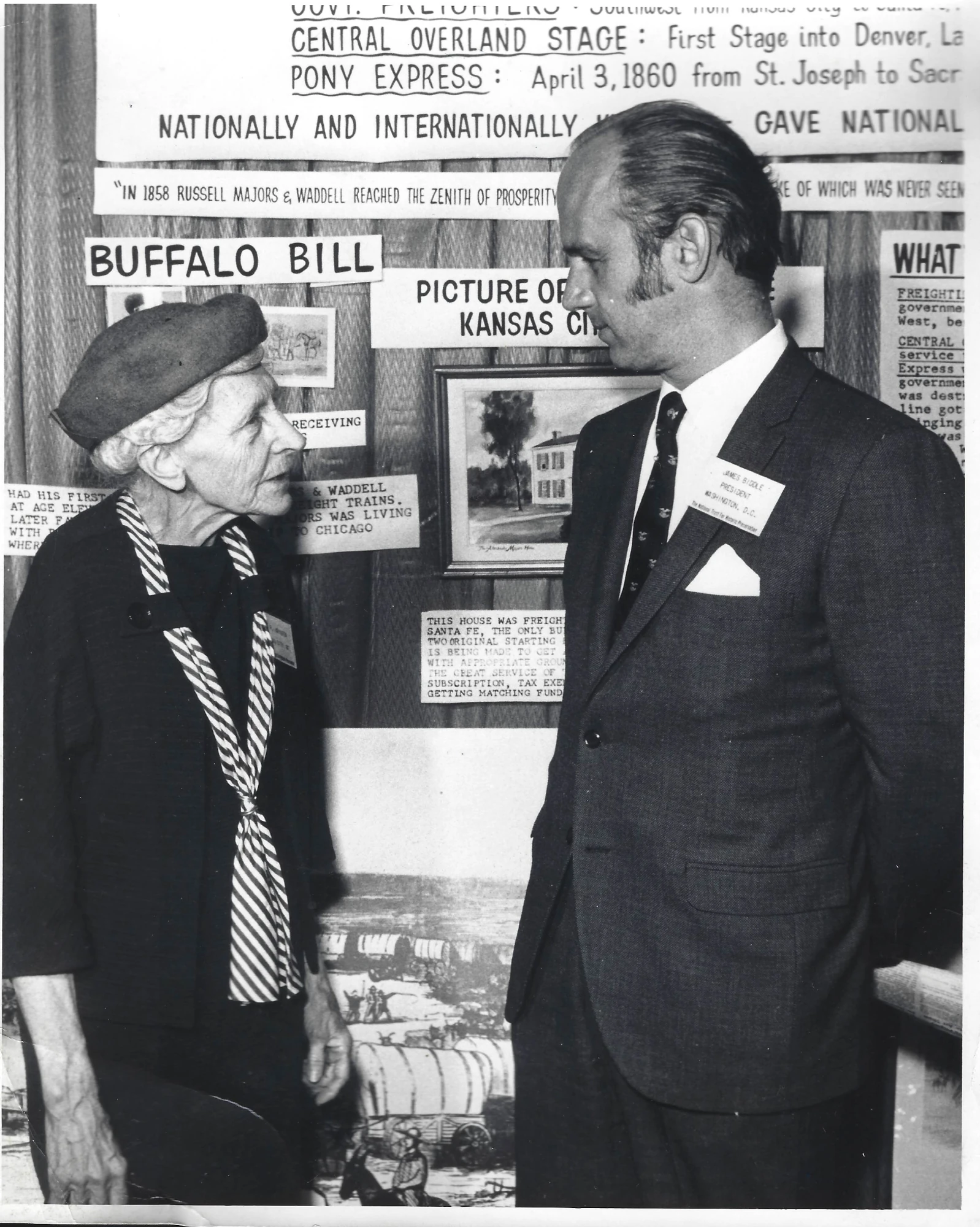
In 1930, Louisa Johnston, a great-granddaughter of Alexander Majors, bought her family’s decrepit mansion from the school district for $2,500. She began to slowly restore the house, replacing windows and patching the roof. Louisa lived in the house for nearly 50 years. Upon her death in 1979, the house went to a longtime friend, architect Terry Chapman. As trustee of the Majors Historical Trust, Chapman undertook a major restoration of the house and opened it for tours in 1984. Terry Chapman and his wife, Victoria, managed the house museum for more than 25 years until Terry’s death in 2010. In 2011, management of the house merged with the John Wornall House Museum to create Wornall/Majors House Museums, one non-profit organization dedicated to caring for both historic structures.
Image: Louis Johnston speaks to James H. Biddle, president of the National Trust of Historic Preservation, 1969.
More History to Explore>>
Support These Stories
Help Wornall/Majors make history accessible and preserve two Kansas City landmarks.
<href=”https://wornallmajors.org/donate/”>Donate