Synthesized multiple corrections into cohesive final post
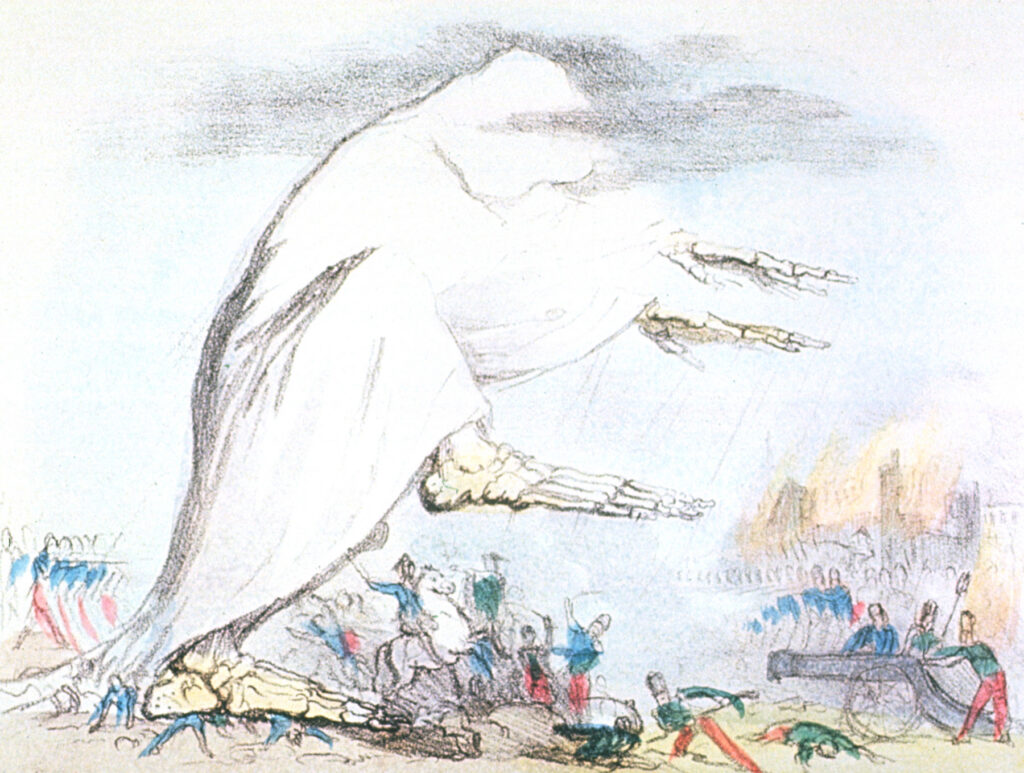
As Mark Twain observes in Letters From the Earth, “Disease! That is the main force, the diligent force, the devastating force! It attacks the infant the moment it is born; it furnishes it one malady after another: croup, measles, mumps, bowel troubles, teething pains, scarlet fever, and other childhood specialties. It chases the child into youth and furnishes it some specialties for that time of life. It chases the youth into maturity, maturity into age, and age into the grave.” It is well established that the hygiene practices of the Victorian era are now considered hazardous by the standards of modern medicine. However, in the absence of empirically proven scientific explanations, Victorians were left to rely on prevailing theories and superstitions to interpret the causes of disease. These beliefs often reflected a complex interplay of cultural, social, and environmental factors that shaped their understanding of illness.
Prior to the mid-1880s, Victorians relied primarily on conjecture and traditional beliefs to inform their understanding of disease. For centuries, it was widely accepted that disease originated from environmental sources, often conceptualized as “something in the air.” Illness was a pervasive aspect of daily life, and the standard for health was merely being considered “tolerably well.” The tendency to attribute disease to environmental factors can be understood in light of prevailing beliefs about health maintenance. For instance, the practice of infrequent bathing—often limited to once a week and shared among family members—stemmed from the conviction that bathing itself posed health risks.
A prominent explanatory model of disease during the Victorian era was the miasma theory, which posited that illnesses such as cholera were caused by exposure to noxious forms of “bad air” composed of harmful particulate matter. Tuberculosis, by contrast, was more commonly attributed to hereditary or constitutional weakness rather than environmental causes. To mitigate perceived risks, architectural adaptations such as transom windows—windows installed above doorways, both interior and exterior—were employed to facilitate air circulation and improve ventilation, even when doors remained closed. Another influential framework, inherited from ancient Greek medicine, was the theory of the four humors: blood, phlegm, black bile, and yellow bile. According to this paradigm, health depended upon the equilibrium of these bodily fluids, and any imbalance was thought to precipitate illness. The humoral theory persisted as a dominant explanatory model until the advent of germ theory in the late nineteenth century.
Diseases such as tuberculosis were frequently not regarded as contagious, and individuals afflicted with such illnesses were not typically subjected to social avoidance. Women, in particular, assumed primary caregiving responsibilities within the household, often preparing remedies from ingredients believed to possess therapeutic properties. Physicians were generally consulted only as a last resort, particularly among lower socioeconomic groups, necessitating that families rely predominantly on home-based care for their sick members.
Medical care and healing practices were not exclusively the domain of formally licensed professionals. Individuals with varying degrees of medical knowledge—including formally trained physicians as well as laypersons versed in traditional remedies—could be recognized as practitioners. Fees for medical services ranged from $0.25 to $3.00 for a night call. The 1850 Jackson County Census recorded fifty-one physicians, one dentist, and seven druggists practicing in the Jackson County area.
In Missouri, diseases such as malaria and cholera were highly prevalent during the nineteenth century. Malaria was so widespread that it became colloquially known as the “Missouri Chills” and was not always classified as a disease per se. While rarely fatal, malaria significantly debilitated affected individuals, to the extent that social and communal events were routinely scheduled around the occurrence of malarial “fits.” Entire communities could be affected simultaneously, particularly during the summer months of July through September. Cholera, by contrast, was among the most devastating diseases of the era and profoundly affected numerous families, including the Wornall family. Notably, cholera claimed the lives of John Wornall’s brother George in 1849 and his first wife, Matilda Polk, two years later. Of John’s seven children with his second wife, only two survived to adulthood, with the remaining five—who all died before the age of three—likely succumbing to cholera. At one point, John’s father Richard and two enslaved individuals, George and Nancy, also contracted the disease, although their ultimate outcomes remain undocumented.