Over 8,000 Black Missourians took a bold step during the Civil War, enlisting in the Union Army and mustering into United States Colored Troops (USCT) regiments. Their journey began with recruitment drives and led them to Benton Barracks in St. Louis, where they formed the backbone of several crucial units. Despite facing unequal pay, poor equipment, and constant threats from slaveholders and guerrilla fighters, these men persevered, determined to fight for their own freedom and that of their families.
Border State Hesitation
Missouri’s status as a slave-holding border state made Black enlistment a contentious issue. President Lincoln, wary of pushing Missouri toward secession, initially discouraged Black recruitment. Early volunteers were turned away, their offers to serve met with suspicion. Only after the Emancipation Proclamation in 1863 did the door open for Black Missourians to join the Union Army. Service came at a price, however—discrimination, skepticism, and real threats to their safety remained ever-present, even as enlistment promised freedom for those who joined and their families.
Recruitment Process
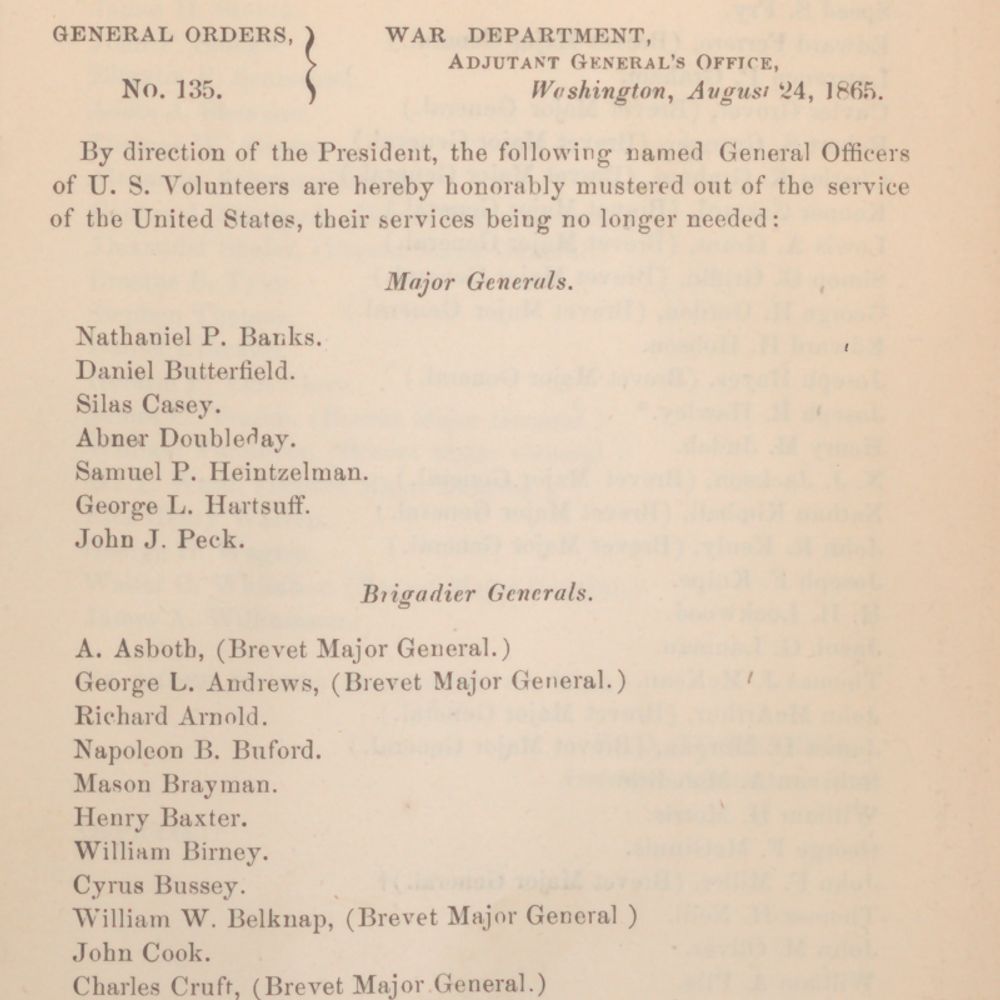
With General Orders No. 135 in November 1863, Missouri launched a widespread recruitment effort across 45 towns, from Albany and Cape Girardeau to Warrensburg and Weston. Provost marshals oversaw the process, and recruits endured examinations before traveling to Benton Barracks to officially join USCT regiments. Each man’s age, complexion, height, occupation, and—tragically—his owner, were recorded on muster rolls. The risks were enormous: some families faced retaliation, including being sold further south. Still, more than 8,000 Black Missourians succeeded in enlisting, choosing hope over fear.
Training and Organization
Training at Benton Barracks was both grueling and transformative. Brigadier General William A. Pile led the new recruits, with chaplains and volunteer organizations providing lessons in literacy and discipline. The men drilled relentlessly, forging themselves into what was called the “Black Phalanx.” They faced open hostility, ridicule, and harsh conditions, but their determination only grew stronger.
Primary Regiments Formed
Most Missouri recruits joined five main USCT regiments: the 18th, 60th (partially raised in Iowa), 62nd (which began as the 1st Missouri Colored Infantry), 65th, and 68th. Others filled the ranks of the 67th and even the 79th USCT—originally the 1st Kansas Colored, but including many Missourians. Local militia units, such as one from Hannibal, added more defenders, showing just how widespread the call to arms had become.
| 18th USCT | Missouri recruits | Western Theater battles |
| 60th USCT | Partly Missouri, Iowa-raised | Benton Barracks training |
| 62nd USCT | 1st Missouri Colored core; 300+ early enlistees | Palmito Ranch (last shots); Lincoln University founders |
| 65th USCT | Missouri-heavy; Benton training | Education programs; post-war school funding |
| 67th USCT | Missouri recruits; Benton | Western operations |
| 68th USCT | All/predominantly Missouri | Combat in TN, LA, TX, AL |
Battles and Legacy
The Battle of Island Mound was a small skirmish in Bates County, Missouri, on October 29, 1862, in which the 1st Kansas Colored Volunteers fought pro-Confederate guerrillas and won the field. The battle was the first time an African American regiment saw combat in the Civil War.
Missouri’s Black regiments also saw action in Tennessee, Louisiana, Texas (notably the 62nd at Palmito Ranch), Alabama.
After the war, survivors from the 62nd and 65th regiments helped found Lincoln University, creating a lasting legacy of education and empowerment. Their service marked a turning point for freedom in Missouri, a story preserved in the National Archives and beyond.